
Centre For Wildlife Studies
Support young scientists protecting India's wildlife and wildlands
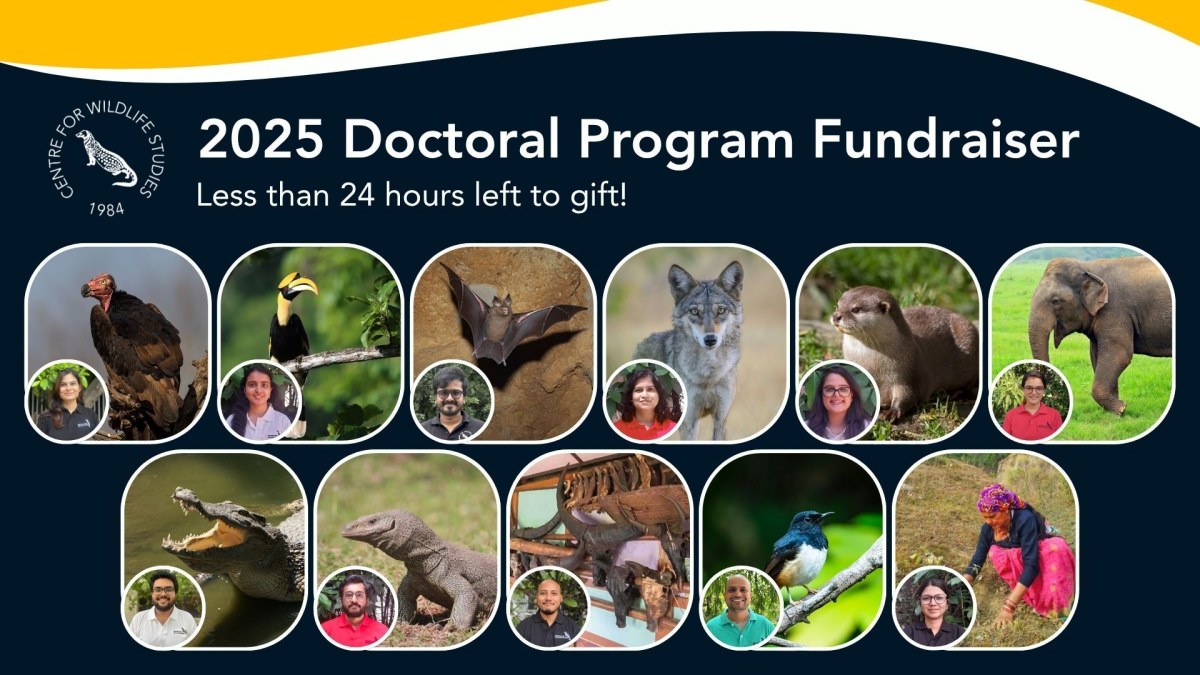
Over the past weeks, our campaign has brought together an incredible community of supporters, more than 180 individuals who believe in the power of people and science to shape the future of India’s wildlife and wild lands.
Your encouragement has shown our students that their work matters, and that they are not alone in this journey.
We are now in the final stretch, and every hour counts. If you would still like to contribute, this is the last opportunity before the campaign closes.
Thank you again, for being such a vital part of our community. Your support today plays a significant role in fueling their research, strengthening communities, and protecting the wildlife and wild places we all depend on. (NOTE: Please indicate the person you are supporting whilst making the contribution)
Learn more about exciting and crucial research done by our doctoral fellows:
Aishwarya Laghate is working across Madhya Pradesh to make carcass-dump sites safe for vultures—monitoring scavenger interactions, testing carcasses for harmful veterinary drugs, and guiding vulture-safe practices with communities.
Aparna Rao is studying Great Hornbills in the Western Ghats, combining field observations, acoustics, and community knowledge to understand their nesting and habitat needs and guide their conservation.
.png)
Arjun Menon is uncovering the hidden world of Meghalaya’s caves, studying bats and their vital role in ecosystems and communities, while working with locals to safeguard these fragile habitats.
_Nikita.png)
Nikita Yardi is studying how Indian grey wolves survive in Solapur’s fast-changing grasslands, using drones, maps, and community voices to uncover paths for coexistence between people and wolves.
_Apoorva.png)
Apoorva Sodhi is working across key river stretches to understand how India’s otter populations are doing—whether groups are connected or isolated, and how stress and reproduction are affected by changing river systems.
Aishwarya Anilkumar is working across forest-edge villages to understand how to reduce risky encounters—when and why elephants enter, how warnings spread, and which responses guide herds back safely.
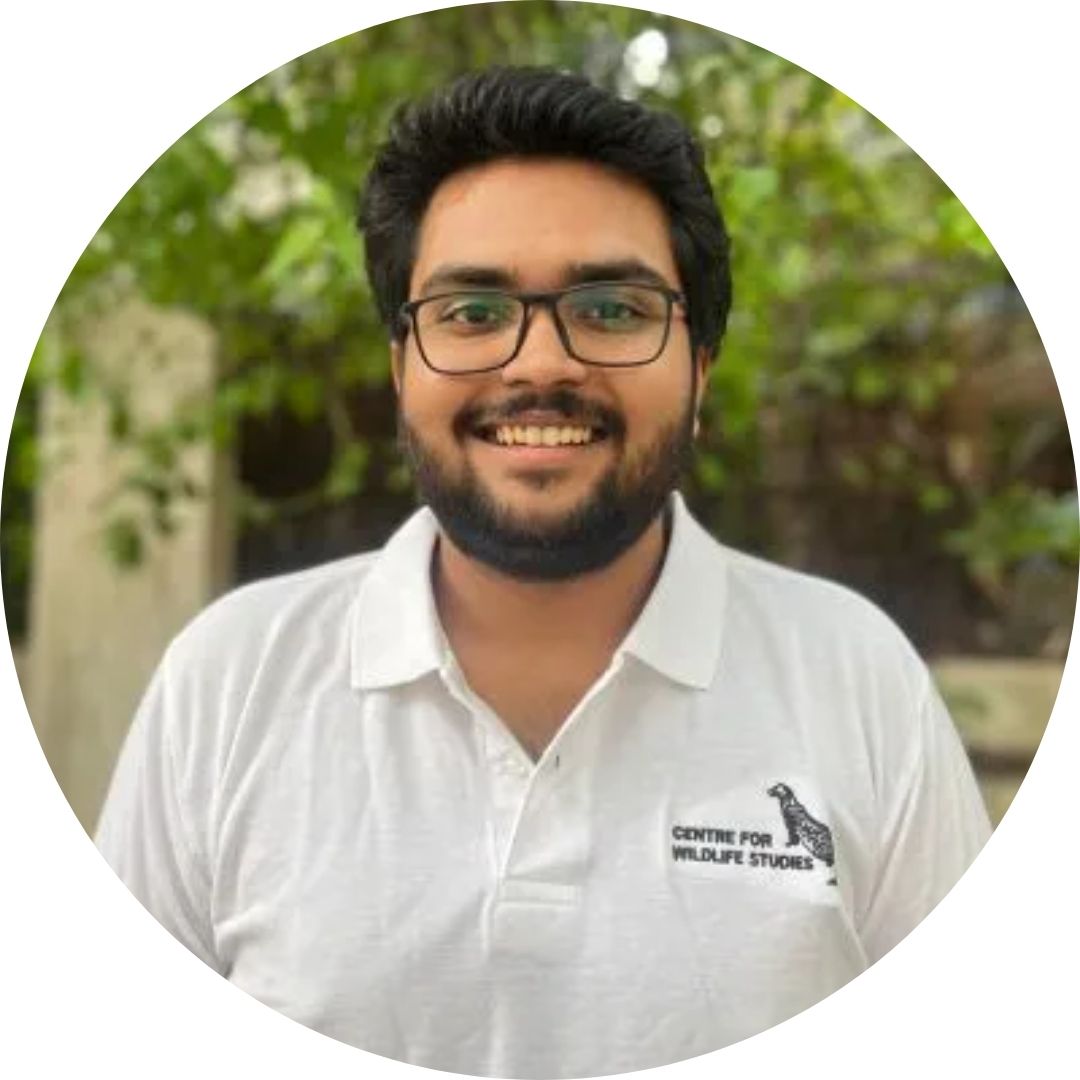
Yashendu Joshi is documenting how coexistence actually works on the ground—where crocodiles bask, how people adjust routines, which local rules reduce danger—and where new pressures (roads, nets, canal works) are tipping that balance.
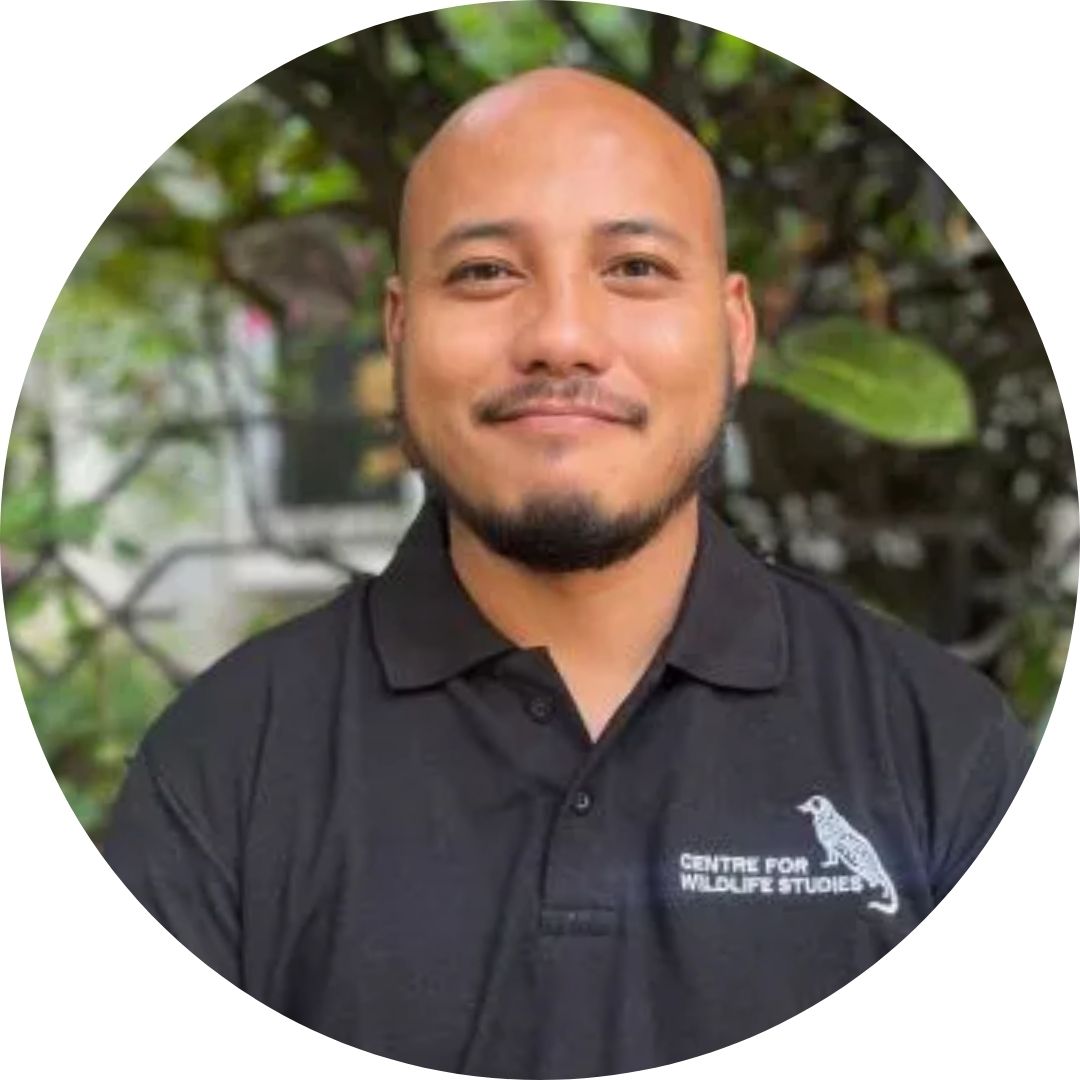
Deep Gogoi is mapping where customary rules already protect wildlife, how households decide across seasons, and where state law and community norms align or clash.
_Aditya.png)
Aditya Banerjee is mapping hunting practices in the Chhota Nagpur Plateau, combining wildlife surveys and community insights to understand their impacts on species and chart new pathways for coexistence.
Shashank Dalvi is mapping how deep seas shaped island bird populations in the Andaman–Nicobar archipelago, combining whole-genome sequencing, field surveys, and past sea-level maps to set clear conservation priorities.
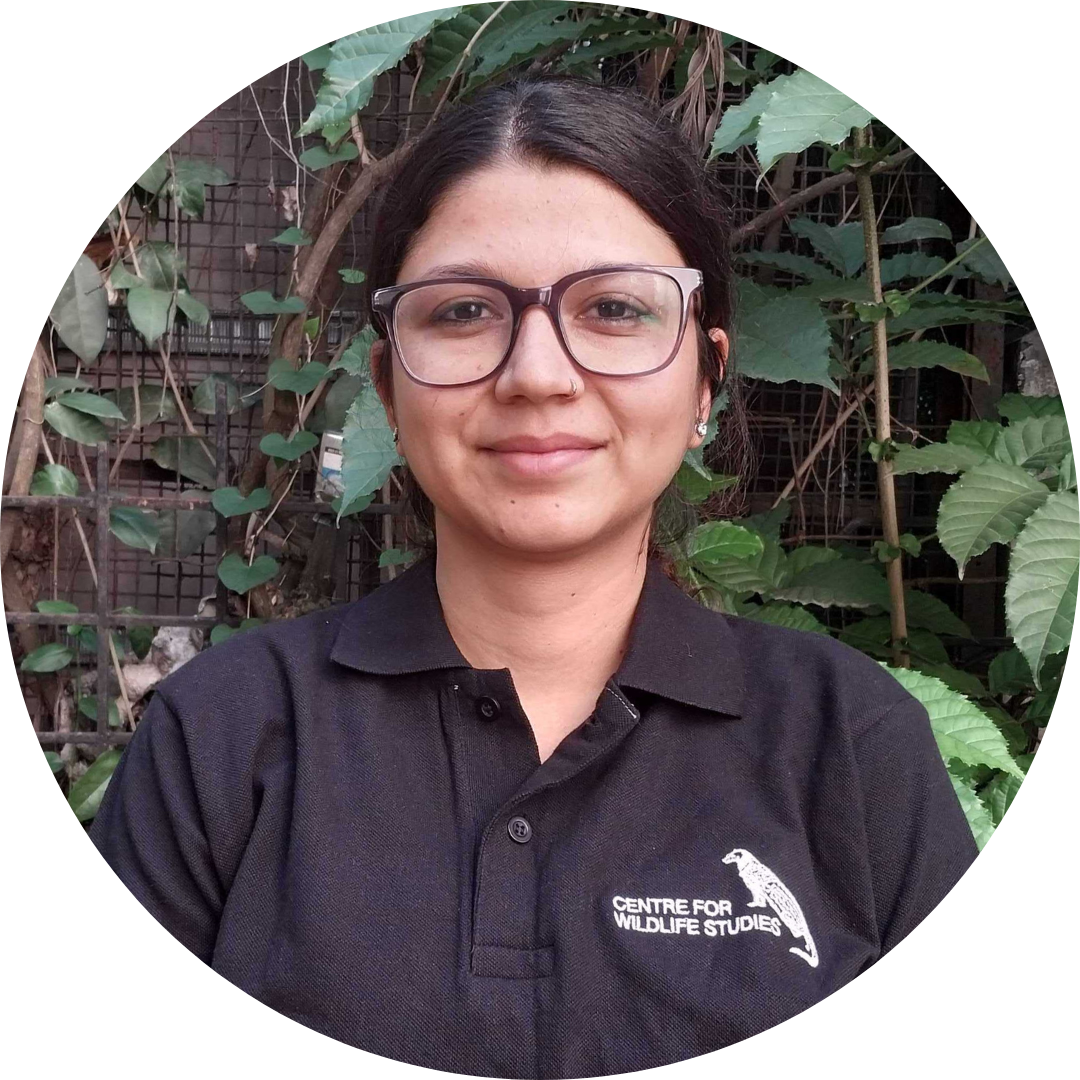
Kavya Pandey is documenting how women lead forest care in informal settings across the Central Himalayas, using interviews, focus groups, and ethnographic fieldwork to surface what they do, how decisions travel, and why their work stays invisible.

Nikita Golaya donated ₹ 1,000 on 20th Nov 25
Stanley Pinto donated ₹ 2,000 on 20th Nov 25
For Aditya Banerjee with best wishes
Gayatri Banerjee donated ₹ 5,000 on 20th Nov 25
Abhinavan Aryan donated ₹ 1,000 on 19th Nov 25
Aparna Rao donated ₹ 1,352 on 19th Nov 25
For Kavya Pandey
ANINDYA MOOKERJEE donated ₹ 5,000 on 19th Nov 25
VinayakR Kori donated ₹ 2,000 on 19th Nov 25
Shubhanshu Shukla donated ₹ 2,000 on 19th Nov 25
For Kavya Pandey
Ila Joshi donated ₹ 2,000 on 18th Nov 25
Chanchal Kumar Pande donated ₹ 5,000 on 18th Nov 25